
How to Plan a Market Event (Step-by-Step Guide)
If you’ve ever attended a successful market event, it’s easy to assume everything came together effortlessly.
What most attendees never see is everything happening behind the scenes before vendors arrive.
From securing a venue to setting up tents, building photo moments, coordinating vendors, and troubleshooting last-minute issues, there’s a lot that goes into planning a successful market.
Here’s the exact process I used when planning my own market event.
Step 1: Start With Your Vision
Before reaching out to vendors or booking a venue, decide what kind of experience you want to create.
Ask yourself:
- Is this a handmade market?
- A boutique shopping event?
- A food-focused market?
- A seasonal event?
- A community festival?
The clearer your vision is, the easier every other decision becomes.

Step 2: Secure Your Venue
Your venue impacts:
- Vendor capacity
- Foot traffic
- Event vibe
- Logistics
- Parking
When evaluating venues, think beyond aesthetics.
Ask:
- Is there enough parking?
- How will vendors load in?
- Are restrooms available?
- Is electricity available?
- Is there protection from weather?
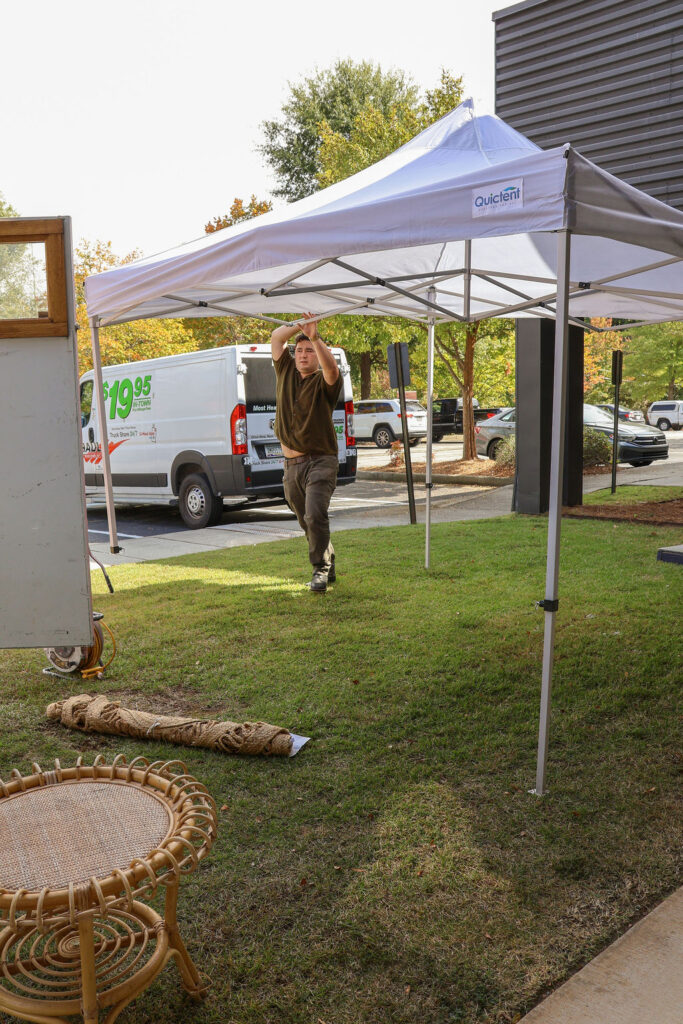
Step 3: Recruit Vendors Early
One mistake many new organizers make is waiting too long to recruit vendors.
I recommend:
- Opening applications early
- Sharing consistently on social media
- Leveraging email marketing
- Asking vendors to share the event
The earlier you start recruiting, the more time you have to build a strong vendor mix. If you’re not sure where to start, check out our guide on How to Find Vendors for Your Event for proven vendor recruitment strategies.
Step 4: Create Photo-Worthy Experiences
Today’s shoppers don’t just attend events.
They share them.
Creating simple photo opportunities helps attendees spread awareness organically.
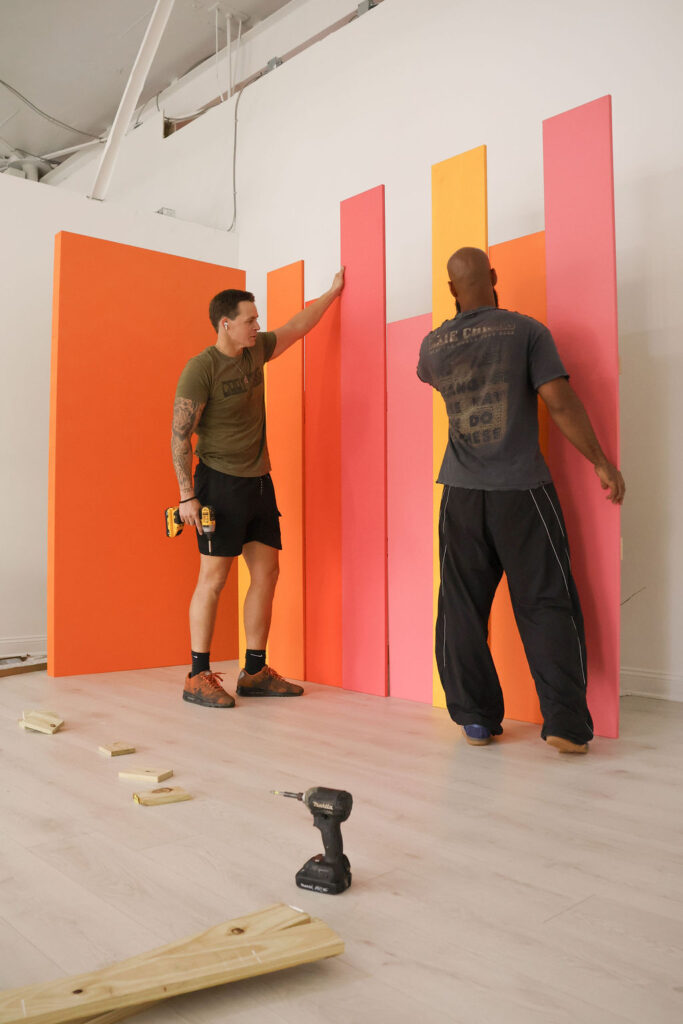
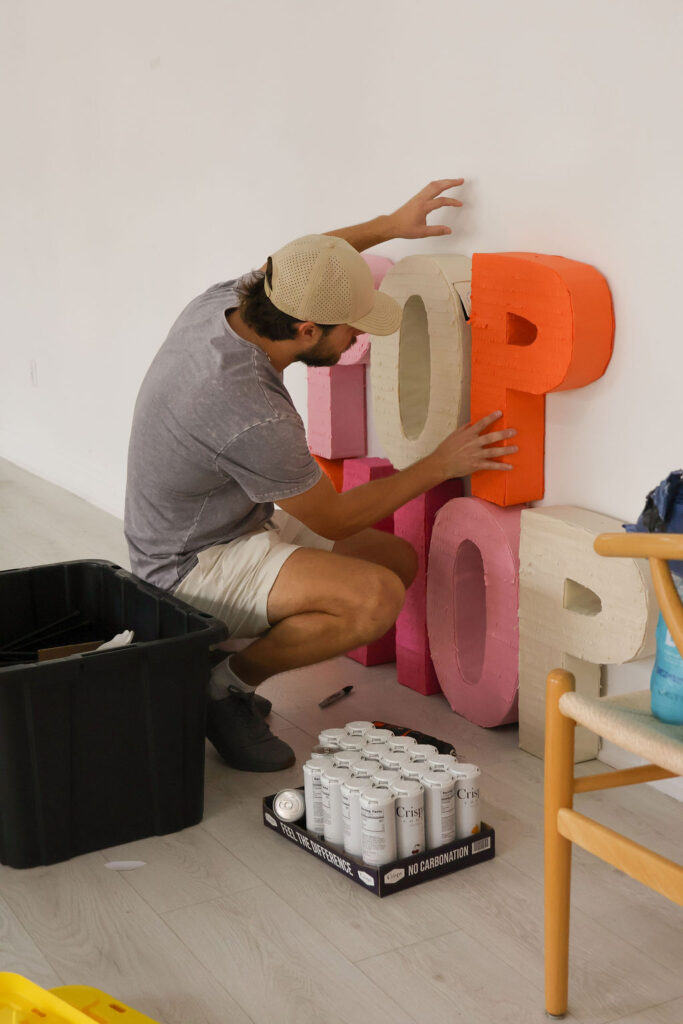
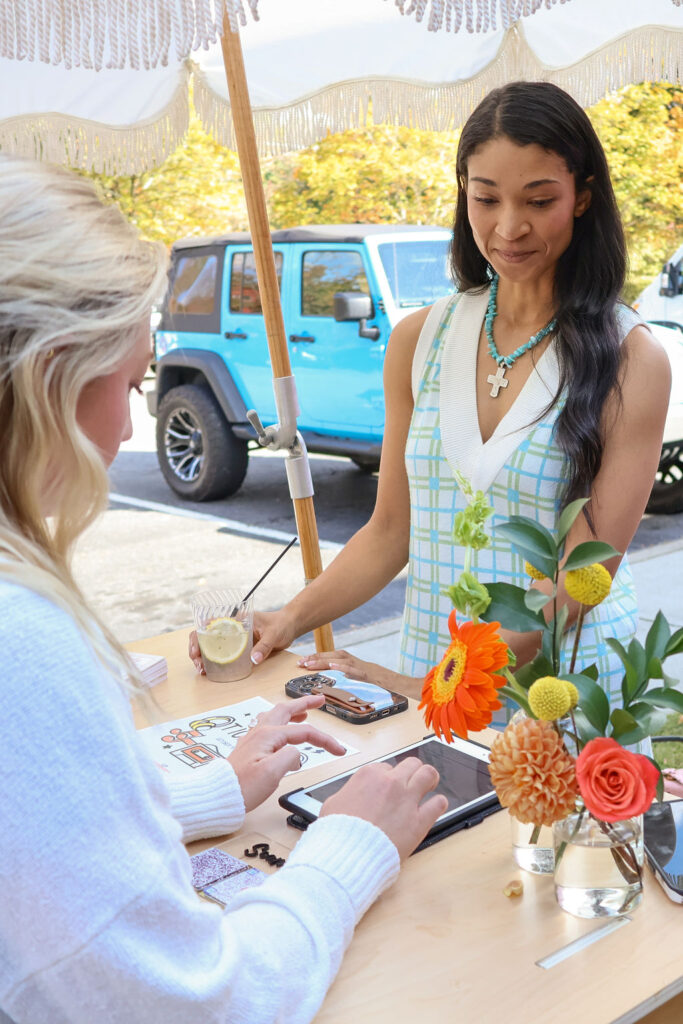
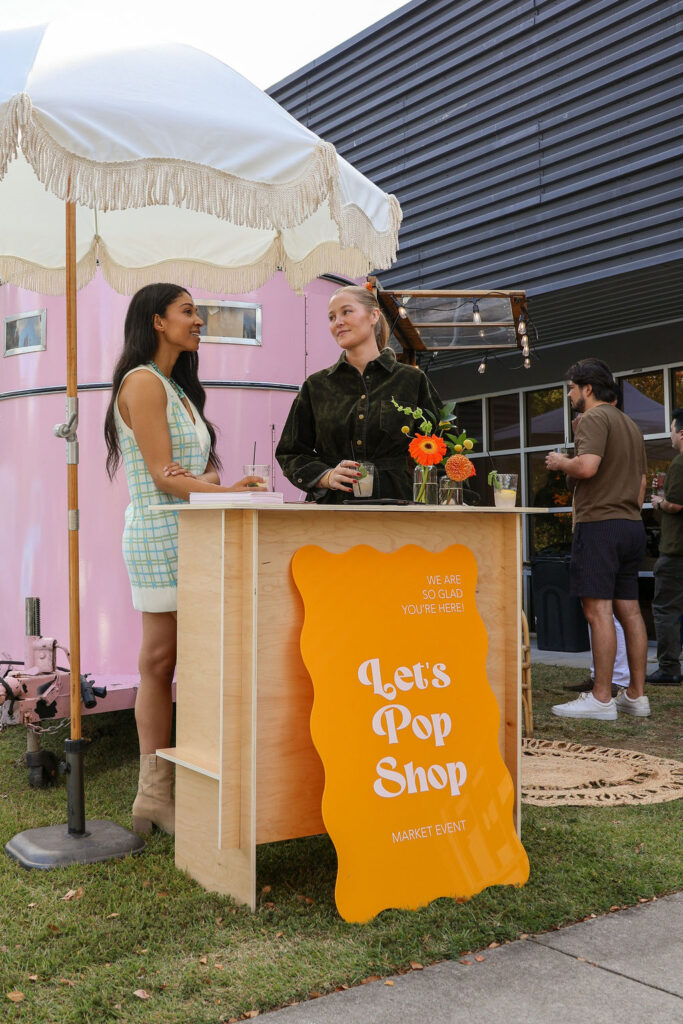
For our event, we created colorful branded backdrops that doubled as photo moments throughout the day.

Step 5: Plan Your Setup Day
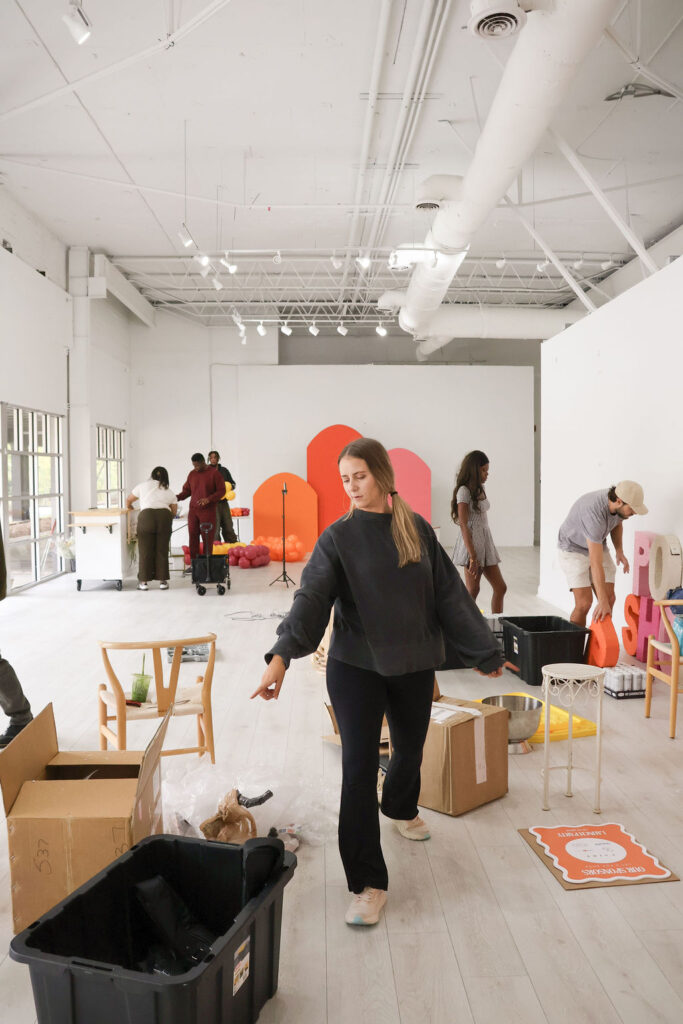
Setup almost always takes longer than expected.
Create a checklist for:
Signage
- Directional signs
- Parking signs
- Vendor check-in
Decor
- Backdrops
- Balloon installations
- Tables
- Displays
Operations
- Registration
- Vendor packets
- Trash stations
- Extension cords

Step 6: Build a Vendor-Friendly Experience
Happy vendors are more likely to:
- Return
- Recommend your event
- Leave positive reviews
- Tell other vendors
Small things matter:
- Clear communication
- Easy load-in
- Organized layouts
- Timely updates
Your reputation starts long before event day.
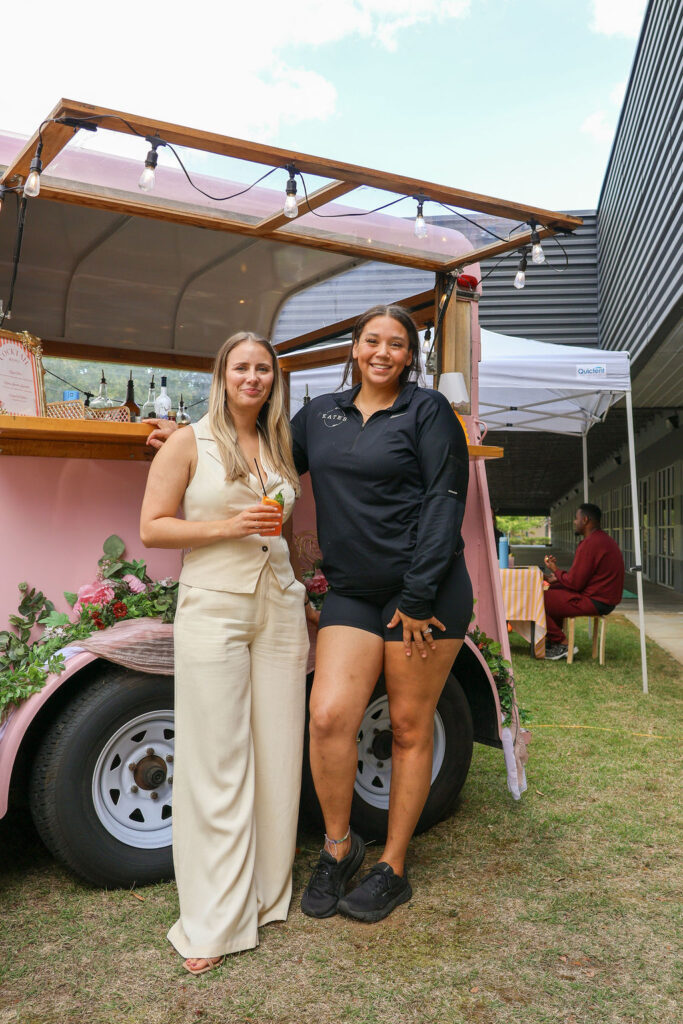
Step 7: Expect Last-Minute Problems
Every event has surprises.
A vendor cancels.
Decor breaks.
Weather changes.
Equipment gets delayed.
The best organizers aren’t the ones who avoid problems.
They’re the ones who stay calm and solve them quickly.
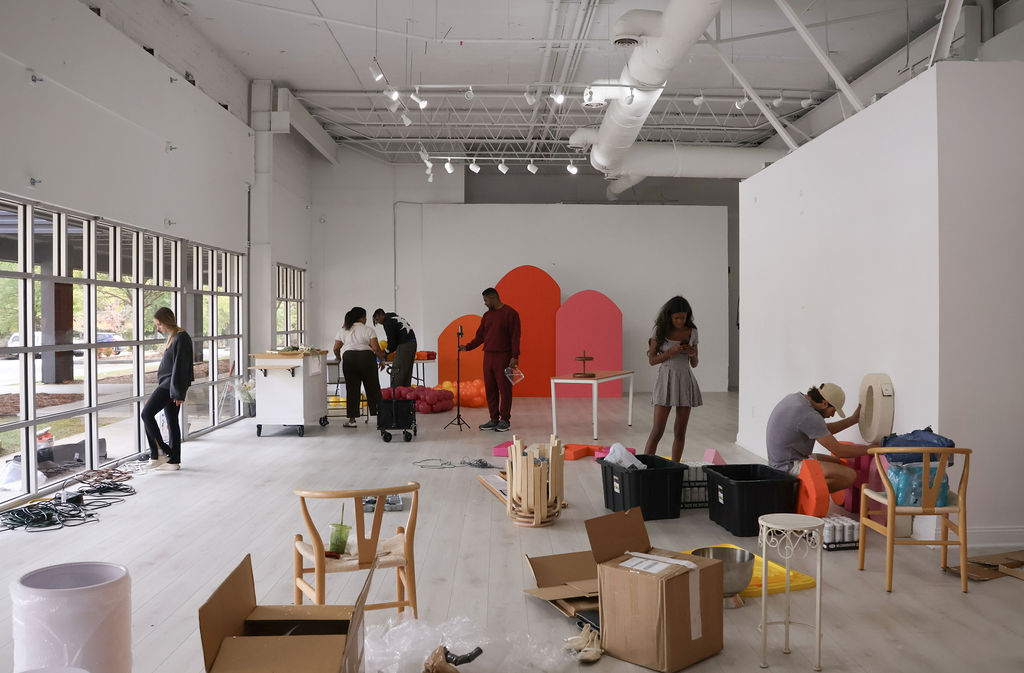
Step 8: Capture Content Throughout the Process
One of the biggest missed opportunities for event organizers is only documenting the event itself.
Capture:
- Venue walkthroughs
- Setup day
- Vendor load-in
- Behind-the-scenes moments
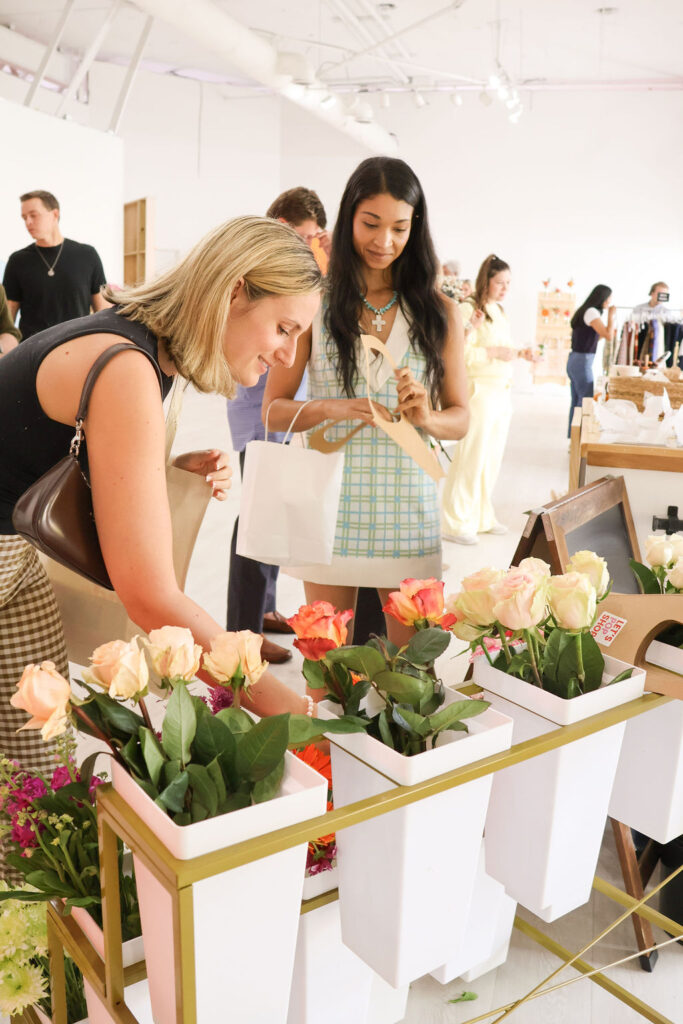
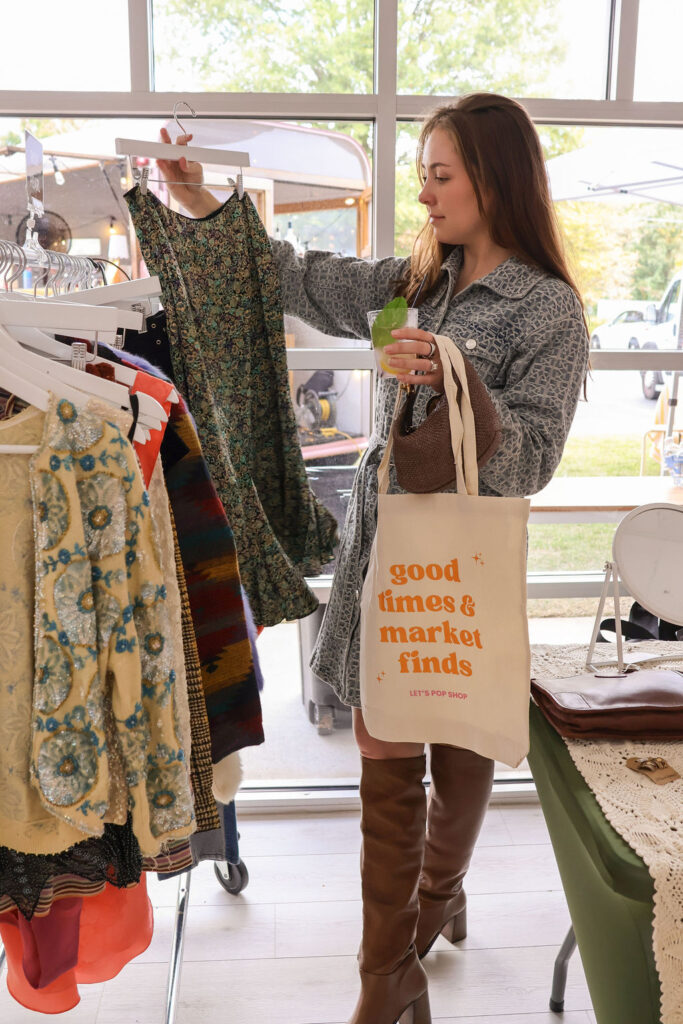
- Event day highlights
This content becomes:
- Pinterest pins
- Instagram posts
- TikToks
- YouTube videos
- Vendor recruitment content
In many cases, the content you capture during one event helps fill the next one.

Market Event Planning Checklist
✅ Secure venue
✅ Recruit vendors
✅ Create marketing plan
✅ Design event layout
✅ Prepare signage
✅ Coordinate setup team
✅ Confirm vendor logistics
✅ Capture event content
Final Thoughts
A successful market event isn’t created on event day.
It’s created through months of planning, communication, organization, and problem-solving behind the scenes.
If you’re planning your first market event, focus on creating a great experience for both vendors and attendees, document the process, and continue improving with each event.
And if you’re looking for a simpler way to manage vendors and event applications, check out Let’s Pop Shop, where event organizers can create events, collect applications, and connect with vendors all in one place.
👉 Create your free organizer account on Let’s Pop Shop
Helpful Resources
- How to Price Booth Fees for Your Market
- How to Find Vendors for Your Event
- How to Choose Vendors for Your Event
- Event Marketing Ideas for Vendor Markets